Why Your Company Needs an E-Sign API: Simplifying Document Signing in 2026
In 2026, the need for efficient document signing solutions has never been greater. Organizations are under mounting pressure to embrace digital workflows and remote operations. E-Signature APIs present a simplified pathway to collecting signatures, cutting down on wait times and operational inefficiencies. Still, making this change is not entirely without difficulty. Recognizing the key benefits and adoption strategies can place businesses ahead of the curve in a competitive landscape. Which considerations should businesses evaluate before integrating this type of platform?
The Rise of E-Sign APIs: Why They Are Important in 2026
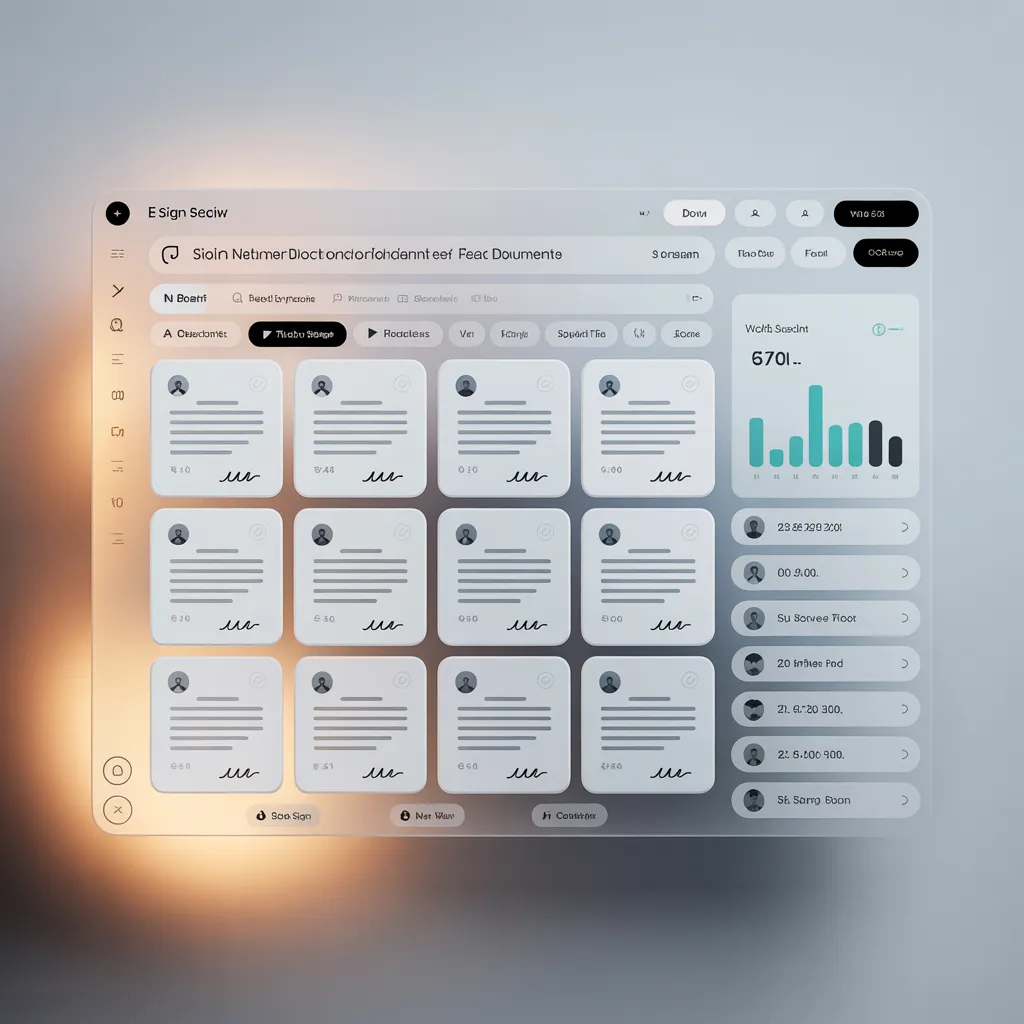
In what ways have E-Sign APIs reshaped the business world by 2026? The emergence of E-Sign APIs has greatly reshaped how organizations manage document workflows. By simplifying the signing process, companies have improved efficiency and shortened turnaround times, enabling faster transactions and decision-making. Embedding E-Sign APIs within existing platforms has facilitated uninterrupted workflows, doing away with the necessity for handwritten signatures and physical paperwork. This change has not only minimized costs tied to printing and postage but has also advanced environmental goals by cutting down on paper waste. Within a competitive market, organizations adopting E-Sign technology have achieved a notable benefit, elevating customer experiences through more efficient service. Moreover, the expansion of remote work has driven the increased use of digital solutions, establishing E-Sign APIs as vital for organizations striving to maintain agility and responsiveness. Consequently, by 2026, E-Sign APIs have become integral to modern business operations, enhancing both operational efficiency and customer satisfaction.
The Top 5 Advantages of Adopting an E-Sign API
Utilizing an e-signature API offers organizations several notable advantages. Such advantages encompass increased efficiency in workflows, advanced security protocols for documents, and budget-friendly management strategies. Recognizing these important aspects can help organizations make informed decisions about integrating e-signature technology.
Enhanced Efficiency In Workflows
Adopting an e-signature API revolutionizes business operations by streamlining signature workflows. By automating the signature collection process, organizations can minimize bottlenecks typically connected to manual signing. This efficiency enhances transaction times, empowering teams to secure deals and conclude agreements in less time. Furthermore, incorporating e-signature solutions limits reliance on physical paperwork, lowering administrative workloads and improving organizational efficiency. Team members can concentrate on higher-value tasks without pursuing sign-offs or processing documentation. Moreover, real-time monitoring and alerts verify that all involved parties receive updates about document status, supporting more effective collaboration. Ultimately, deploying an e-signature API leads to a dynamic and responsive organizational environment, enabling businesses to adapt quickly to shifting business requirements and customer expectations.
Strengthened Security Procedures
A key benefit of using an E-Sign API is the enhanced security it offers for digital transactions. Such APIs integrate advanced encryption protocols, confirming that sensitive information is safeguarded during the signing process. Moreover, they often provide robust authentication methods, such as multi-factor authentication and biometric verification, which serve to validate the identity of signers. This lowers the risk of fraud and unauthorized access, fostering greater trust in digital agreements. Furthermore, E-Sign APIs preserve a detailed audit trail, documenting every action taken during the signing process, which can be vital for compliance and legal purposes. Ultimately, strengthened security measures not only protect businesses but also foster confidence among clients and partners, making digital transactions safer and more reliable.
Cost-Effective Document Management
Unlocking substantial cost reductions, businesses increasingly turn to E-Sign APIs for efficient document handling. By automating the signing process, businesses lower paper dependency and corresponding print-related expenditures, supporting a more eco-friendly business model. Furthermore, E-Sign APIs reduce operational costs by removing the reliance on physical filing systems and delivery services. This technological advancement accelerates transaction times, enabling businesses to finalize agreements more quickly and improve liquidity. Beyond that, the adoption of E-Sign API solutions simplifies compliance with legal standards, thereby reducing the risk of significant financial repercussions. Taken together, embracing E-Sign API technology not only fosters efficiency but also leads to substantial financial savings, positioning it as a wise choice for organizations seeking to stay ahead in a dynamic business environment.
Addressing Common Document Signing Challenges
In the domain of document signing, organizations frequently encounter obstacles including cumbersome manual workflows and increased security and compliance issues. These issues can hinder operational efficiency and expose organizations to potential risks. Addressing these challenges is essential for maximizing the benefits of an E-Sign API.
Unproductive Manual Procedures
Traditional document signing methods frequently introduce considerable inefficiencies that disrupt business operations. Companies often experience holdups stemming from the tedious cycle of printing, signing, scanning, and sending documents. Such traditional procedures may lead to misplaced files, miscommunication, and mistakes, which inevitably extend the signing timeline. Additionally, dependence on handwritten signatures can impede remote work and teamwork, limiting overall productivity. Employees may spend hours tracking down signatures, diverting their focus from core responsibilities. Moreover, insufficient automation heightens the potential for regulatory concerns, as traditional methods may fail to maintain adequate record management. Shifting to an e-signature solution can alleviate these challenges, streamlining operations and allowing businesses to operate more efficiently in a digital-first environment.
Security and Compliance Challenges
Tackling compliance and security challenges is fundamental for enterprises adopting e-signature solutions. As online transactions expand, organizations face obstacles related to unauthorized access, data breaches, and compliance requirements. E-signature platforms offer comprehensive security features such as authentication, encryption, and audit trails, which aid in minimizing these vulnerabilities. Following regulations like the ESIGN Act and GDPR is imperative, guaranteeing the legal validity of electronic signatures. Companies must also consider the embedding of digital signature tools with established security measures to protect confidential data. By prioritizing these aspects, businesses can enhance trust with clients and stakeholders while optimizing document signing workflows. Thus, a detailed methodology for security and regulatory adherence is important for realizing the full potential of e-signature solutions.
How to Simply Integrate E-Sign APIs
Incorporating E-Sign APIs can optimize document signing operations for companies, boosting effectiveness and decreasing completion times. To get started, businesses should assess their unique requirements and select an API that matches their goals. Leading solutions include DocuSign, Adobe Sign, and HelloSign, each delivering specialized functionalities.
Furthermore, developers are able to utilize the API's documentation, which commonly features integration guides and code samples. Through the use of RESTful APIs, businesses can easily connect their current platforms, such as customer relationship management tools or document management systems. Adopting robust authentication protocols, like OAuth, helps keep data safeguarded across all data exchanges.
Evaluating the implementation in a controlled environment allows companies to address potential challenges before deploying the system. Finally, educating employees on the new system can improve user acceptance and optimize workflows. By implementing these measures, companies can seamlessly incorporate E-Sign APIs and significantly improve their digital signing operations.
Improving Data Security and Compliance With E-Signature APIs?
Incorrect. The integration of E-Sign APIs greatly strengthens compliance and security for organizations. These APIs leverage advanced encryption protocols to safeguard confidential information during transfer, making certain that documents are kept private and protected from tampering. By utilizing robust verification methods, such as multi-factor authentication, organizations can confirm the identity of signers, decreasing the likelihood of fraudulent activity.
Furthermore, E-Sign APIs frequently offer detailed audit records that record every interaction with a record. This functionality is vital for conformance with regulations like the ESIGN Act and the UETA. Companies can prove conformance to compliance frameworks, guaranteeing that signed documents are legally binding and recognized.
In a rapidly evolving digital environment, emphasizing security and explore compliance with E-Sign APIs not only safeguards sensitive information but also enhances trust among clients and partners. This proactive approach is crucial for maintaining a reputable business.
Rising Trends in E-Sign Technology for 2026
As organizations keep focusing on safety and compliance using E-Sign APIs, the electronic signature landscape is changing at a rapid pace. By 2026, multiple emerging developments are redefining this technology. Artificial intelligence (AI) is increasingly integrated into e-sign solutions, improving the user experience through the automation of tasks including document verification and personalized user interactions. In addition, blockchain technology is gaining traction, offering tamper-proof transaction records and bolstering confidence in electronic signatures.
A further important trend is the growth of mobile-centric technologies, allowing users to sign documents seamlessly on various devices. This transition serves an expanding distributed workforce, simplifying operations across multiple platforms. Additionally, advanced biometric verification techniques are being implemented, additionally strengthening overall security. As the demand for efficient, secure signing solutions grows, companies must align with these changes to maintain their edge and ensure adherence in an evolving regulatory landscape.
Questions We Often Receive
What Are the Financial Considerations for Implementing an E-Sign API?
The financial considerations related to integrating an electronic signature API typically include subscription fees, integration expenses, compliance and security measures, potential training for staff, and ongoing maintenance. Cost assessments ought to cover both one-time setup costs and ongoing financial obligations.
In What Ways Does an E-Sign API Boost Customer Experience?
An electronic signature API elevates the customer journey by delivering a seamless, efficient signing process. It reduces wait times, does away with paper-based complications, and provides flexibility, empowering customers to execute documents rapidly and reliably from any connected device.
Can E-Sign APIs Be Used for International Transactions?
Certainly, e-signature APIs can accommodate international transactions, permitting seamless document signing across multiple nations. They boost operational performance, secure compliance with various regulations, and provide a safe method for parties across various nations to execute agreements swiftly.
What Types of Documents Can Be Signed Electronically?
A wide range of documents can be signed electronically, covering contracts, agreements, invoices, consent forms, and legal notices. Such versatility improves efficiency throughout industries, enabling faster transactions and decreasing dependence on physical paperwork for documentation purposes.
Can E-Sign APIs Integrate With Existing Software Systems?
E-sign APIs are commonly developed to be compatible with current software systems, providing connectivity options that enable effortless embedding into various platforms. This boosts workflow efficiency and supports a wide range of business applications and document management solutions.